Rehab isn’t Baking-It’s Cooking! Why Your Dog’s Recovery Needs More Than a Recipe!
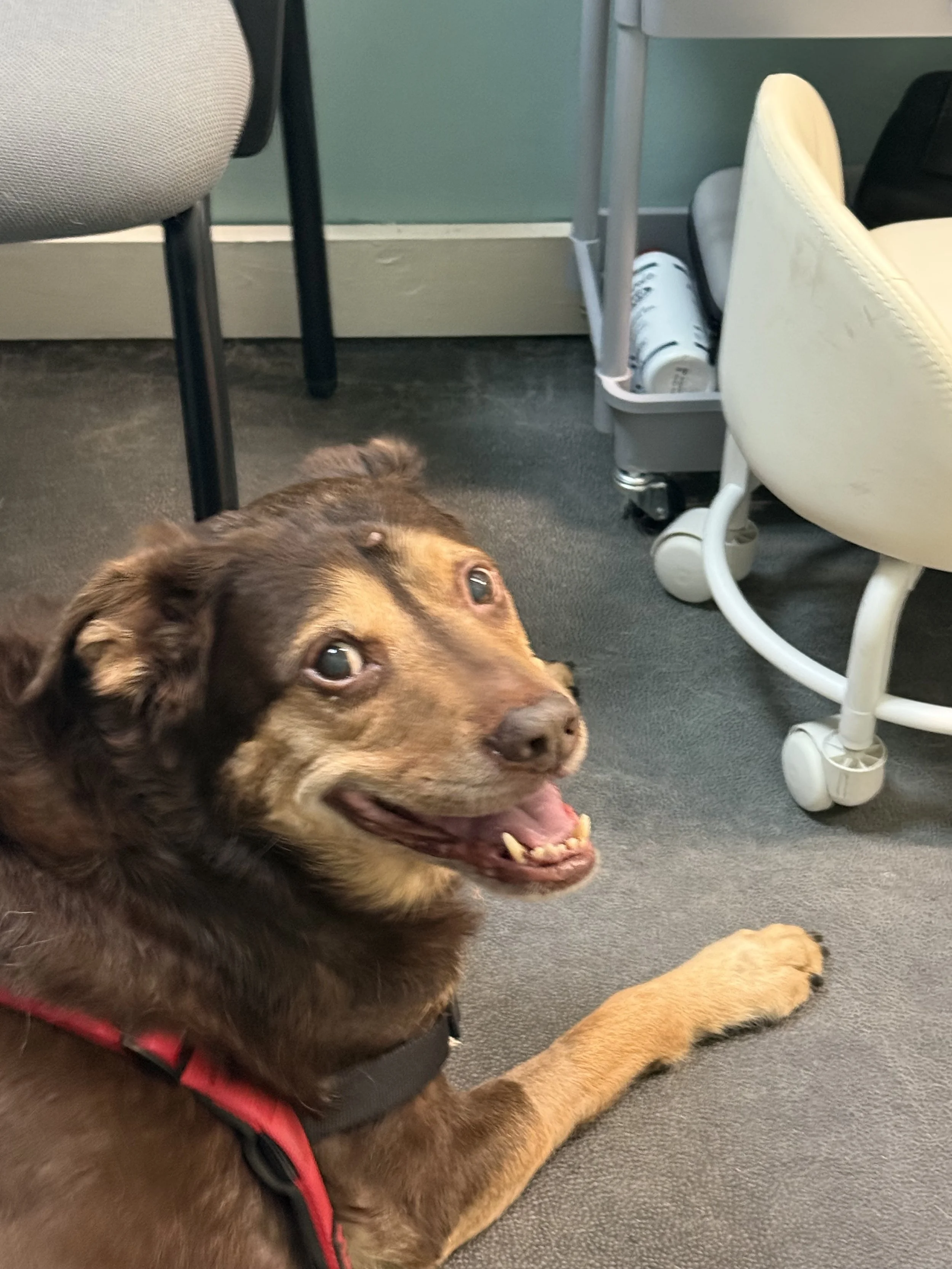
Our Aligned ARF, LLC Kiddo of the week—-welcome sweet Chip! He’s an older gentleman with a recent TPLO looking to get back to his walks on trail with mom!
Healing isn’t one-size-fits-all! Success comes from adjusting, observing, and responding to what each dog’s body is telling you!
When people first hear about canine rehabilitation, they often picture a structured exercise program with a set list of movement, repetitions, and milestones at set points. It sounds straightforward—almost like following a recipe. But here’s the thing——it’s a cooking recipe not a baking one!! While there are evidence-based principles that guide every rehabilitation plan and a general set of expectations, no two dogs recover exactly the same way! The art of rehabilitation lies in knowing when—and how- to adjust the plan based on the individualized dog standing in front of you!
Baking Follows a Recipe…Healing Doesn’t!
When you bake a cake, precision matters. Too much flour, not enough baking powder, or a few extra minutes in the oven can make or break the end result. The same recipe should produce identical results every time if followed to a “T”. However, that’s not the same in rehabilitation. If rehab/PT worked this way, every patient recovering from a TPLO surgery or managing arthritis would receive the exact same exercises on the exact same schedule and you would expect to see exact same results. You could find easy to follow plans online and simply go along checking a box.
But guess what…..that’s simply not how healing works! Every dog brings different “ingredients” to the table. Every situation presents with a unique combination of factors that influence recovery including: age, breed/body structure, fitness level, previous injuries, home situation, family goals, other medical conditions, and even personality and motivation can dictate what we do!
Even if they are the same breed we have to adjust the “recipe”. For example—2 Labrador Retrievers may have the same surgery, performed by the same surgeon, on the same day. Patient A is 2 years old, eager to please, happy, already strong with no remarkable history, and progresses quickly. Patient B, however, may be anxious, 12 years old, hesitant to bear weight, has a history of arthritis in the opposite limb, and requires slower progression. Yes, they have similar milestones, precautions, and overarching goals but they don’t need identical plans—-they need the plan right for them! Like when we are cooking a good meal—-we have to adjust the recipe to certain tastes and ingredients.
The Science and Art of cooking is similar in rehab:
Canine Rehabilitation is built on science. Research guides how tissues heal, how muscles strengthen, and how joints respond to movement. But clinical experience teaches something to watch out for too- how each dog will respond and the approach needed to help facilitate best results. This is why we focus on observation like posture, how they walk into the clinic, watching for subtle changes and compensations. Small changes can make a big difference over time!
Our goal isn’t to follow just a recipe. We can’t check off boxes because it’s been X weeks. Rehab focuses on helping each dog build strength, confidence, and function at the pace appropriate for them while keeping in mind the surgeon expectations/protocol (aka the recipe). Sometimes recovery moves quickly. Sometimes it takes unexpected turns and we need to be ready to address! The goal is ultimately to meet each kiddo where they are and help them move forward safely in order to bring out their best!
This is also why I tell my clients—we are cooking not baking. We have to allow room for modifications as needed and allow for adaptations. We have to also listen to the patient! I am a big believer in working with the dog not doing things to them. One important way to achieve this goal is by allowing them to have a say in their recovery and adjusting as needed. Each animal has their own story, their own strengthens, and their own path to recovery. The best rehabilitation plan isn’t one that’s followed pefectly—-it’s one that allows for adjustments and is thoughtfully adapted as we go along.
If your dog is recovering from surgery, managing arthritis, or simply struggling with mobility, remember that rehabilitation isn’t about checking boxes. It’s about understanding the whole dog and creating an individualized plan that helps them move confidently again.
Online resources can be a wonderful source of ideas, but they can’t assess your dog’s movement, recognize subtle compensations, or adapt a plan as their needs change. Think of them as a pantry full of ingredients. A rehabilitation professional can help you choose the right ingredients, in the right amount, at the right time- and then continues to “taste as we cook” in order to make adjustments each step of the way.
Because healing isn’t about following a set recipe. It’s about helping your dog become the best version of themselves!
Contact us to book a consultation or learn more about how physical therapy can make all the difference for your dog’s mobility.
Because your pet deserves comfort, connection, and a body that supports the beautiful life they’re here to live!
Also stay tuned for more information about a space created to explore the deeper partnership between humans and animals. The way they mirror us, the way they teach us, and the healing that can flow both directions.